

Zinc Oxide Nanopowder (ZnO)
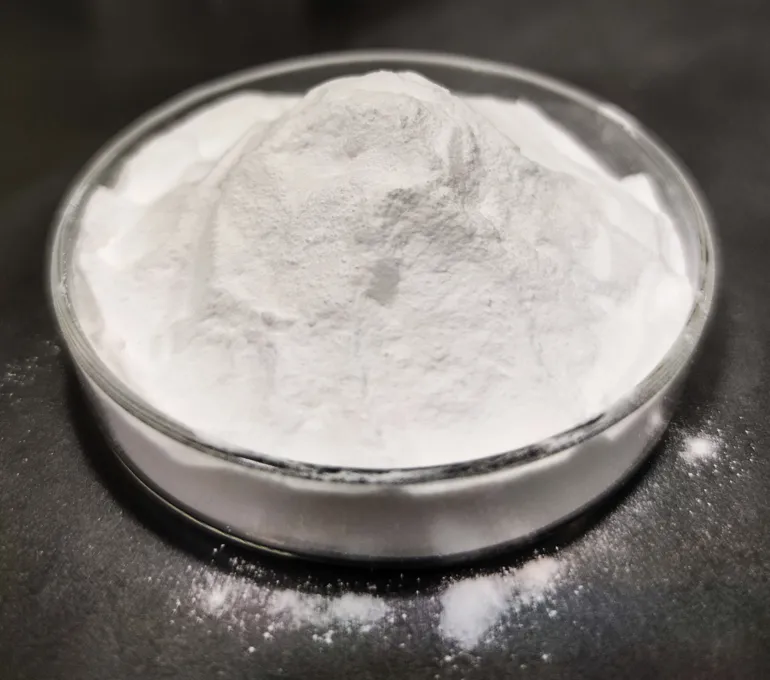
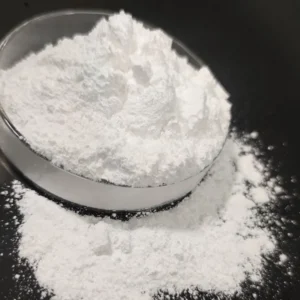
Zinc oxide nanoparticle is among one of the most researched studies conducted due to its ability to apply in varied downstream applications. Zinc oxide nanoparticle is the second most abundant metal oxide after iron and it is inexpensive, safe, and as well as it can be prepared easily . Physical and chemical behaviors of zinc oxide nanoparticle can be easily turned by changing the morphology by using different synthesis routes or different precursors or different materials to produce the nanomaterial. Zinc oxide nanoparticle appears to be white powder and insoluble in water. Zinc oxide nanoparticle has an energy band of 3.37 eV and a bonding energy of 60 meV, which provides its excellent chemical, electrical, and thermal stabilities. Zinc oxide nanoparticle also has optical, electrical, and photocatalytic properties. Due to these properties zinc oxide nanoparticle is applied in solar cells, photocatalysis, and chemical sensor.
Zinc oxide nanoparticle is also known for its low toxicity and high UV-absorption making it a good candidate to be used in the biomedical field. Zinc oxide nanoparticle also has a hard and rigid structure making it useful in the ceramic industry. One of the advantages of using zinc oxide nanoparticle in the biomedical field is because they act as a good surface material. Zinc oxide nanoparticle is naturally known as a strong resistance of microbes. Due to these reasons zinc oxide nanoparticle is extensively used for biological labeling, biological sensing, drug delivery, gene delivery, and nanomedicine. Food and drug administration has approved zinc oxide as a safe material. Zinc oxide also can solubilize in an acidic environment therefore, this gives the material an opportunity to be discovered as multifunctional nanocarriers to ease the drug delivering and release processes.
**Properties:**
Product Name: Zinc Oxide Nanopowder (ZnO),
purity: 99%,
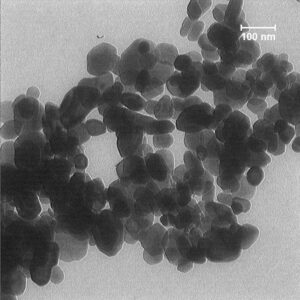
Average Size: 70 nm
Appearance: white
**Applications:**
Filters. There are several filtration applications for zinc oxide, due to its general anti-microbial properties and strength. Most commonly, the material is seen in cigarette filters.
Rubber. Various rubbers utilize zinc oxide nanoparticles in the manufacturing process, primarily as a raw material but sometimes as a coating or catalyst.
Concrete. As with rubber, zinc oxide nanoparticles are used primarily as a raw material in the manufacture of certain concretes.
Ceramics. Like other nanomaterials with antimicrobial properties, zinc oxide nanopowders are of value in the production of ceramics, especially those for use in sterile environments.
Cosmetics. Many creams, ointments, moisturizers, and beauty products utilize zinc oxide for its antimicrobial, optical, and health properties.
Coatings. As with many nanomaterials, zinc oxide nanoparticles are used in various specialty coatings to impart the unique properties of the material at a relatively low cost—in this case, UV filtration and antimicrobial benefits. Many paints use zinc oxide particles specifically as a coating agent.
Food. Zinc oxide is fairly common as a food additive in fortified processed meals such as breakfast cereal. This is done to supplement zinc, which can’t be digested in its pure form.
Skin treatments. Calamine lotion is made using zinc oxide powders, as are any number of other ointments, creams, washes, rinses, and other treatments used to control or prevent certain skin diseases.
Only logged in customers who have purchased this product may leave a review.
Reviews
There are no reviews yet.